•  


    2026 Mining History Association


    On the Way to the MHA:

    The Missouri Portion of the Tri-State

    By Mike Kaas


    PHOTO GALLERY 2

    CLICK ON A PHOTO TO DISPLAY A LARGER IMAGE


    My route of travel continued through Webb City and then on to Granby, with a final swing through Galena, Kansas.  From Galena it was just a short hop to Pittsburg.


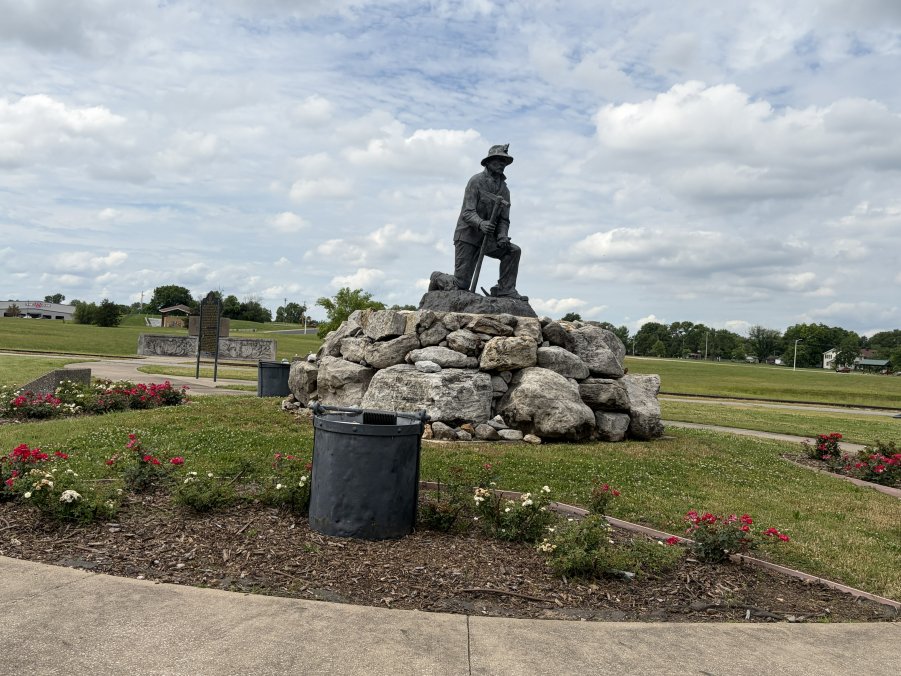
    (Above) One of the most extensive reclamation projects on mined land in Webb City is King Jack Park. Presumably the ore bucket is holding sphalerite zinc ore that the miners called “Jack.”


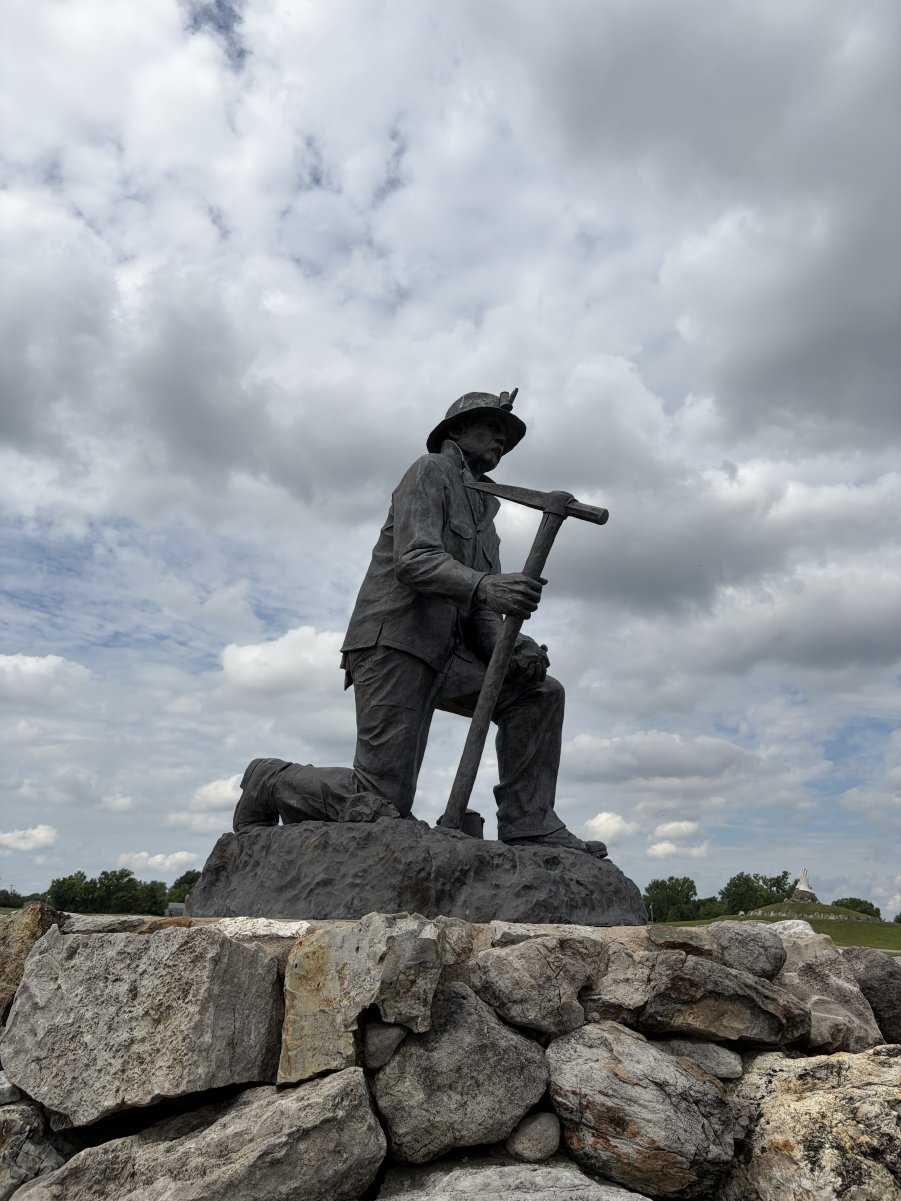
    (Right) A closeup of the Kneeling Miner memorial at the park entrance.


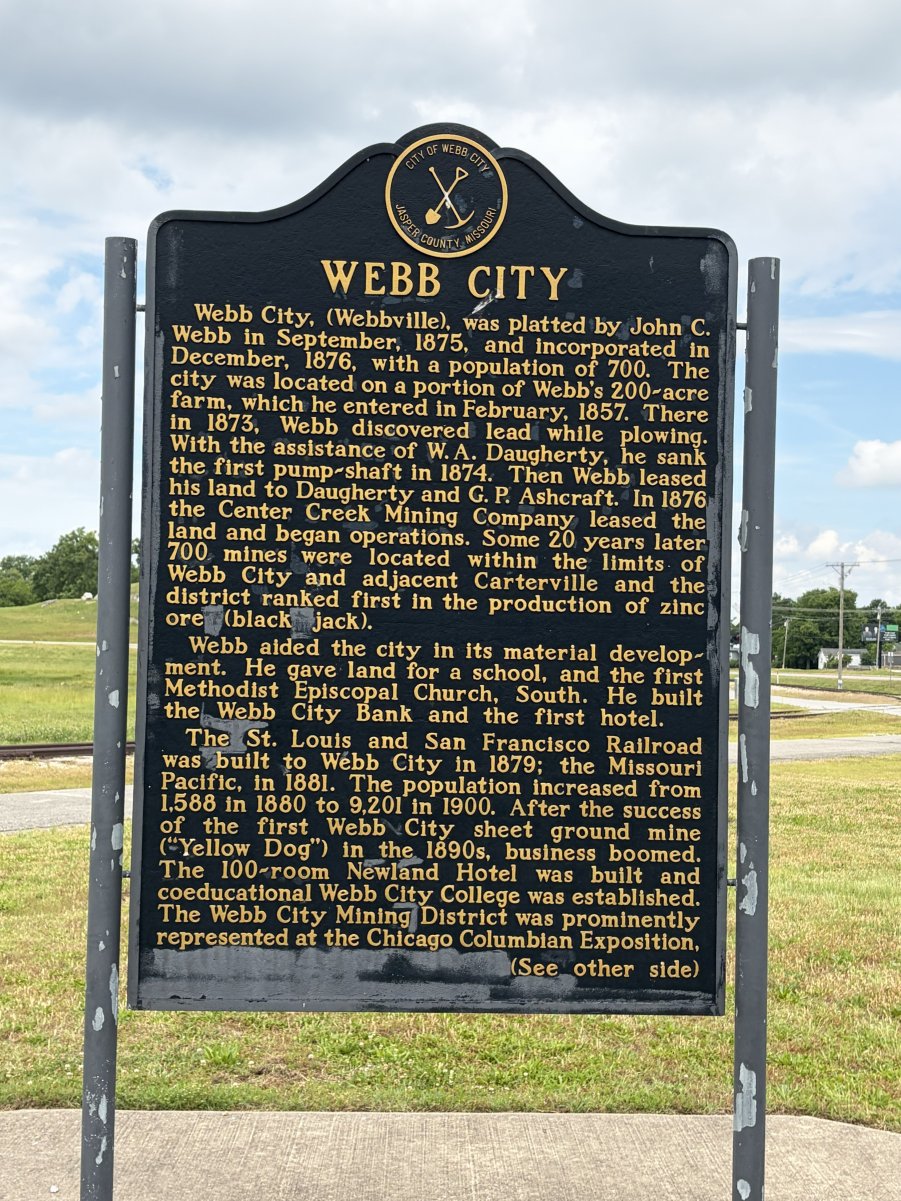
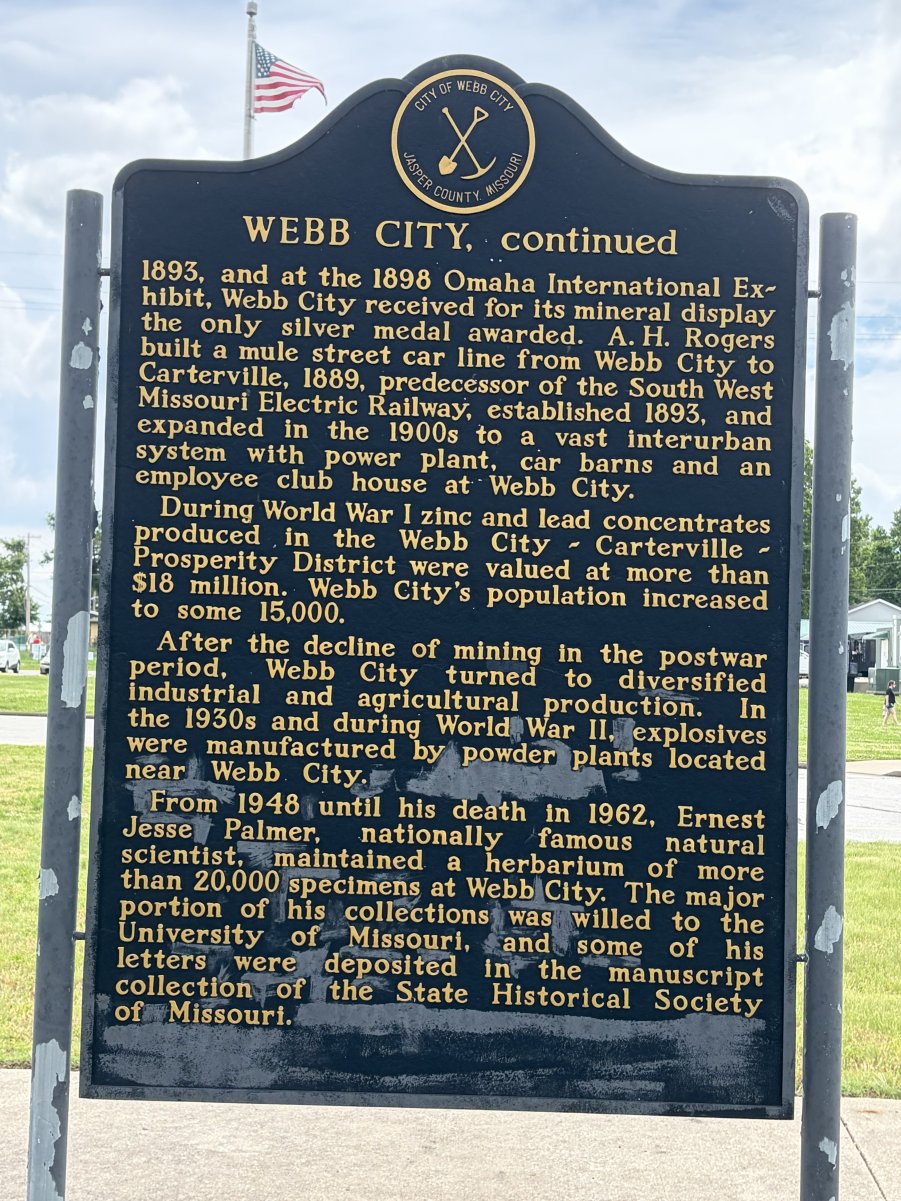
    (Above and Right) Historic markers tell the story of Webb City.


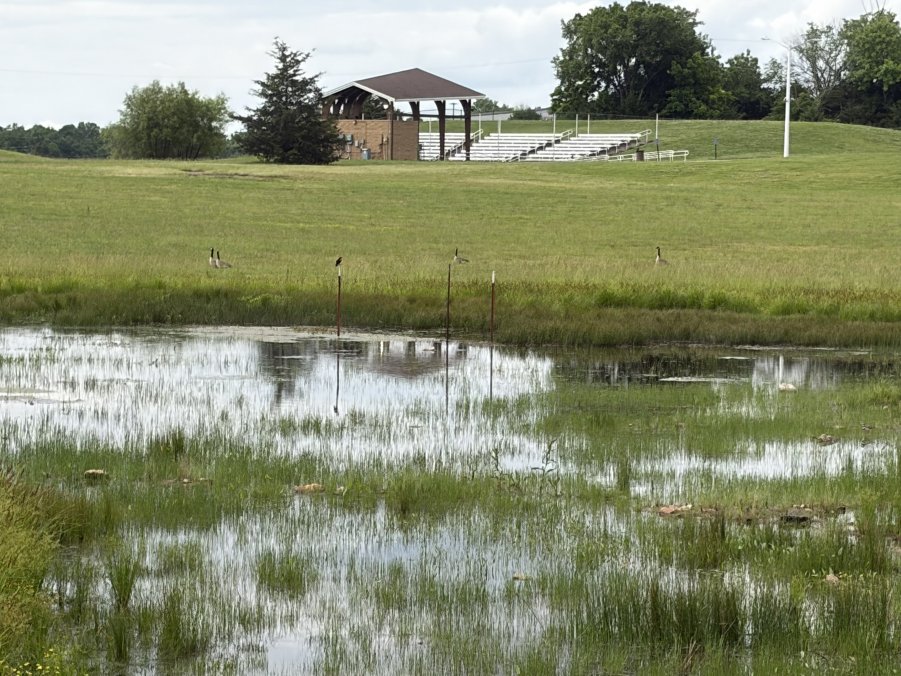
    Like the areas north of Webb City, the water table and mine workings are near the surface forming lakes and wetlands.


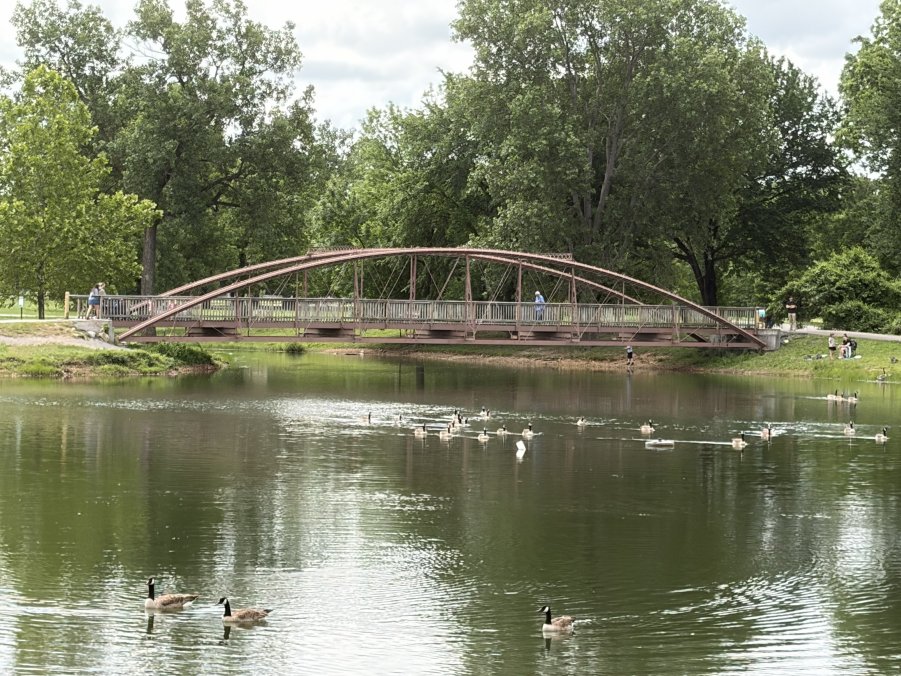
    A pedestrian bridge crossing a water feature provides an excellent place from which kids can feed the geese.

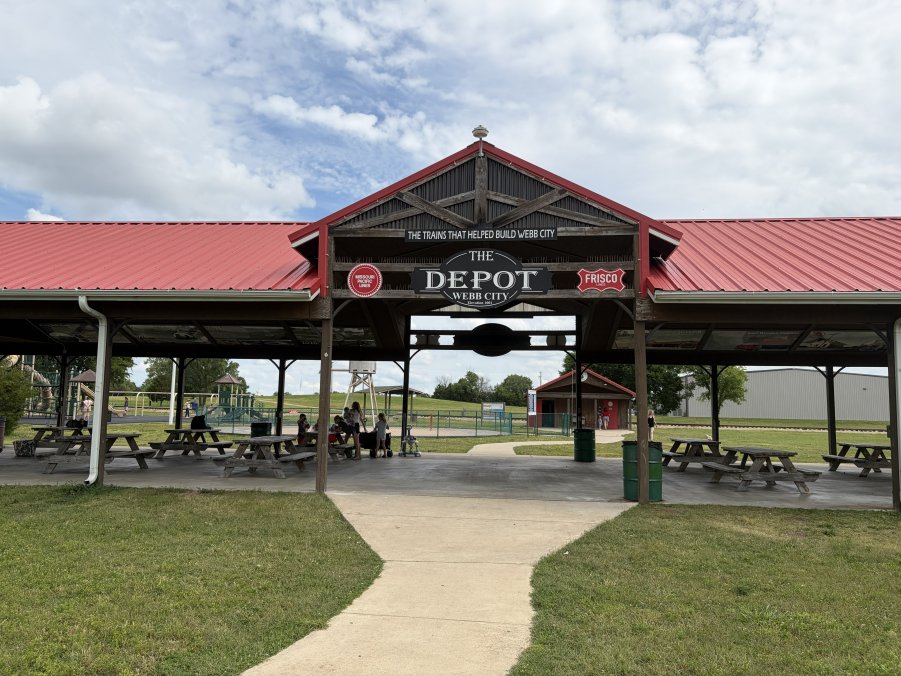
    A picnic shelter recognizes the FRISCO and Missouri Pacific Railroads that built Webb City and provided transportation for the zinc from the mines.


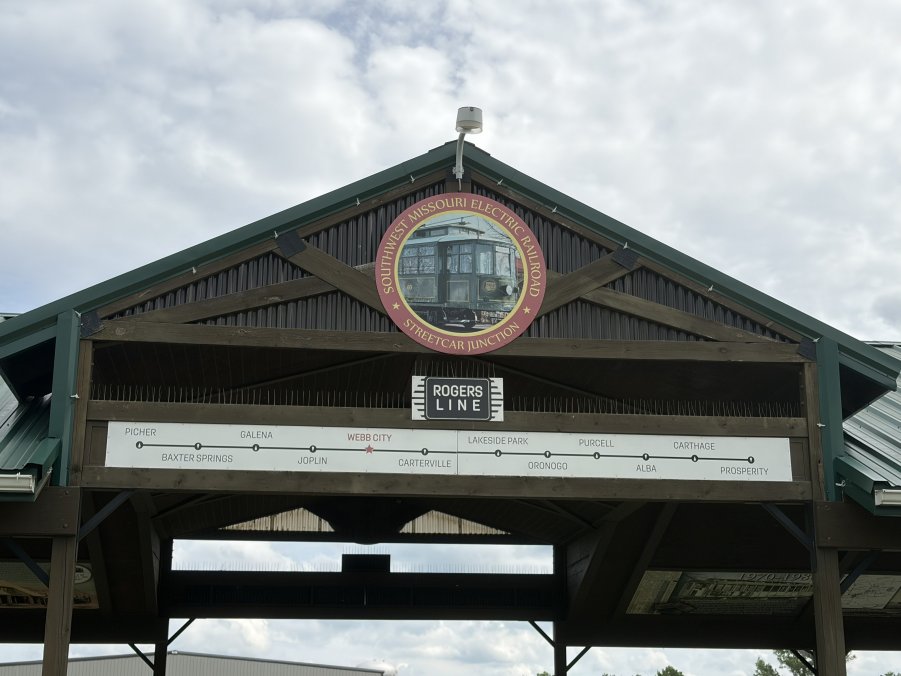
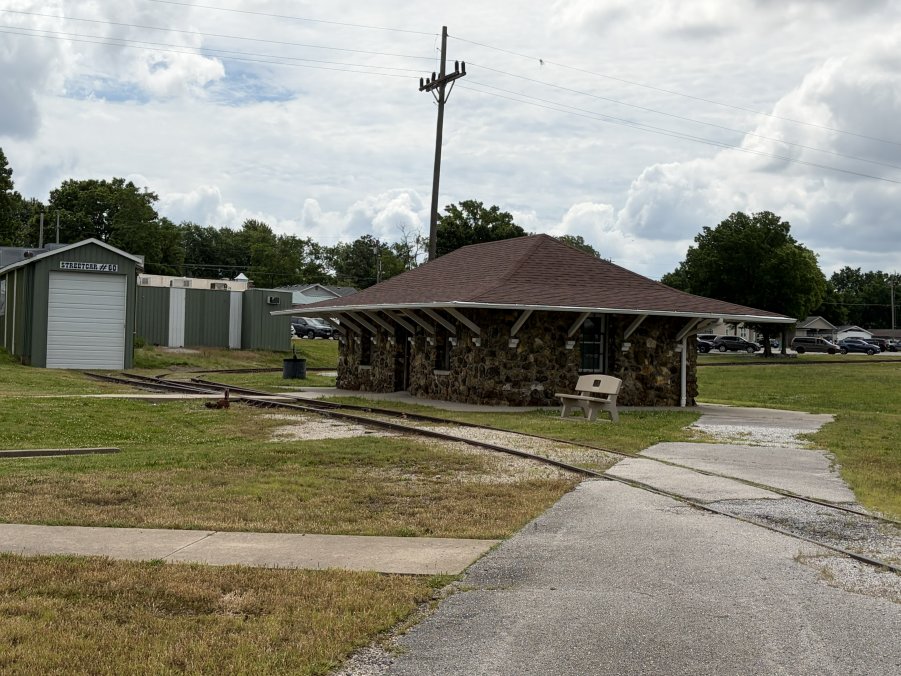
    The Southwest Missouri Electric Railroad (SWMOER) trolley line connected the major mining towns in the Tri-State.  It provided transportation for the miners.

    The Southwest Missouri Electric Railroad (SWMOER) trolley line connected the major mining towns in the Tri-State.  It provided transportation for the miners.


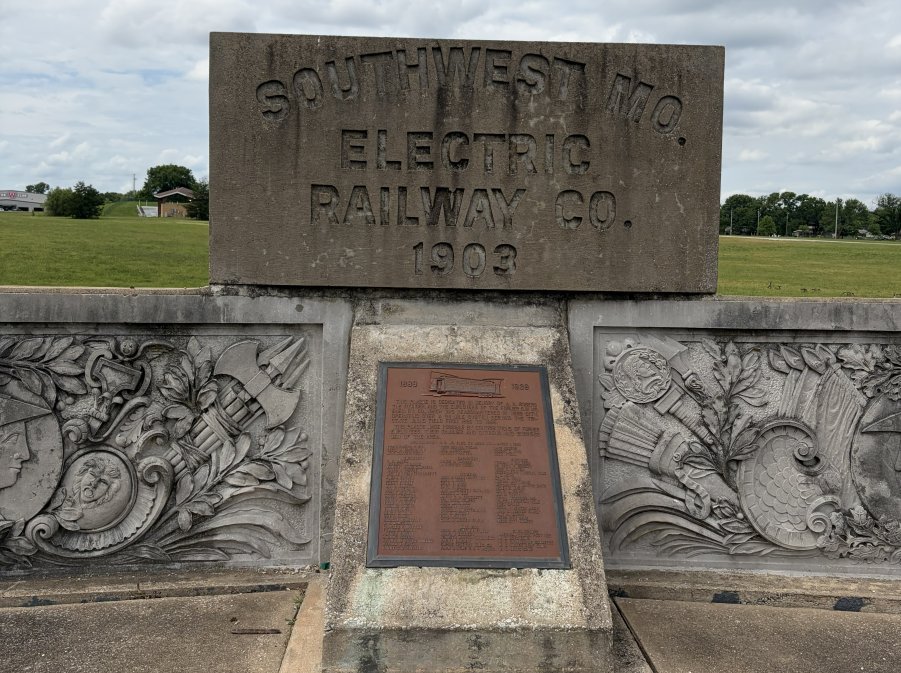
    A monument to the SWMOER and its founder.  The trolley line operated from 1889 to 1930.

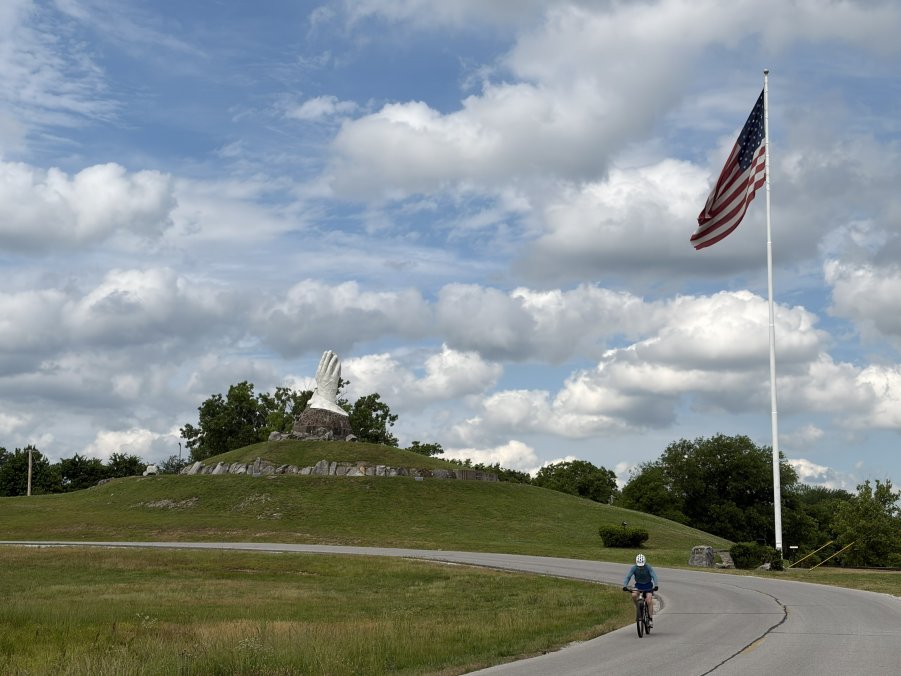
    A bike/walking path encircles the park. The Praying Hands peace monument can be seen at the left.


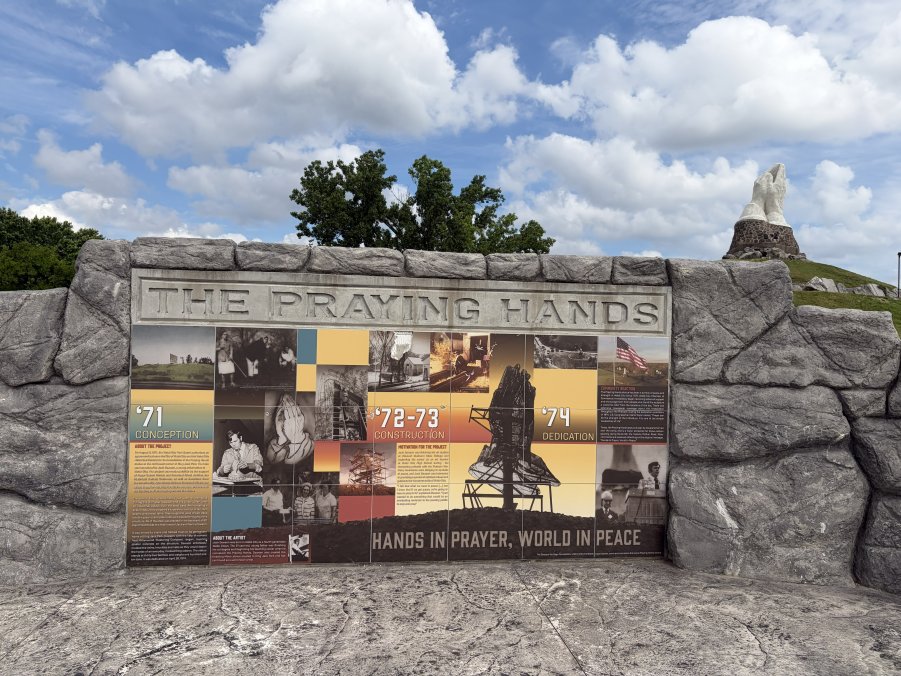
    A closeup view of the Praying Hands peace monument.  It is a prominent feature in the park.


    Onward to Granby, Missouri.

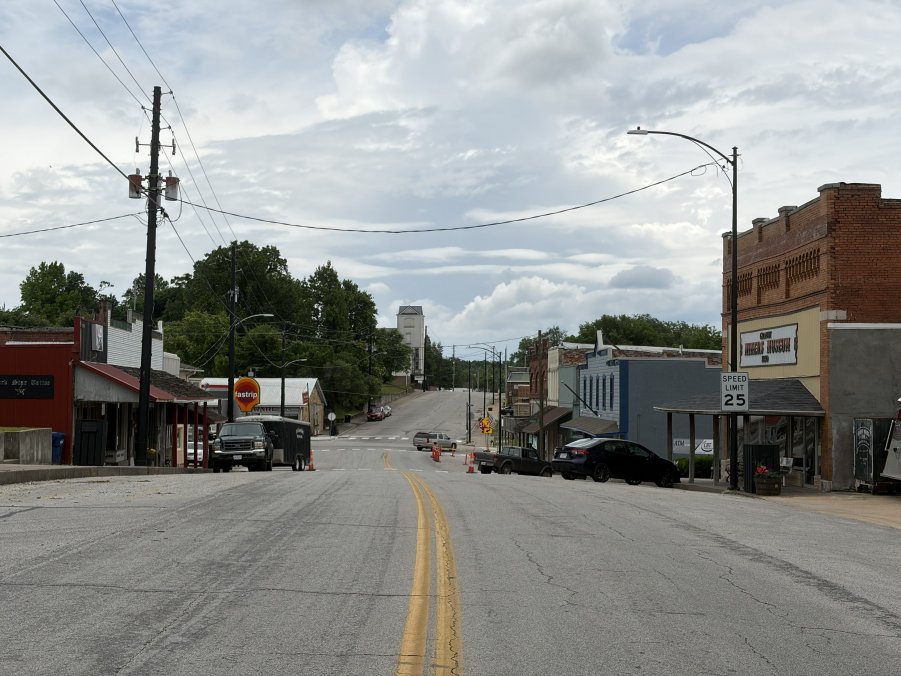
    Granby, MO was the earliest mining area in the Tri-State District. Its Main Street has several buildings that date from the early days.

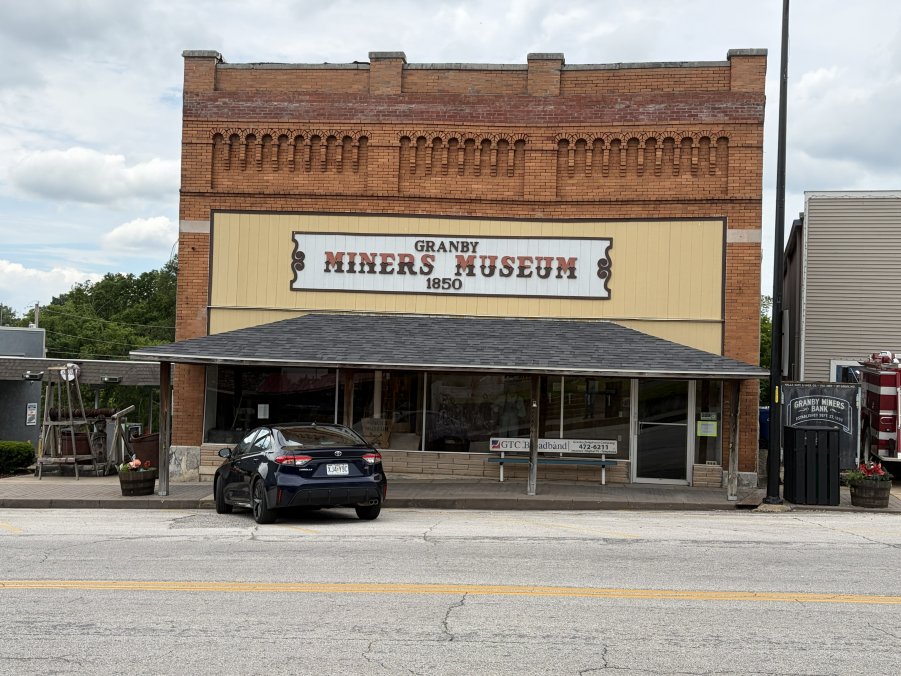
    One of the historic buildings, a mercantile, has been repurposed as the Miners Museum. Note the 1850 date.

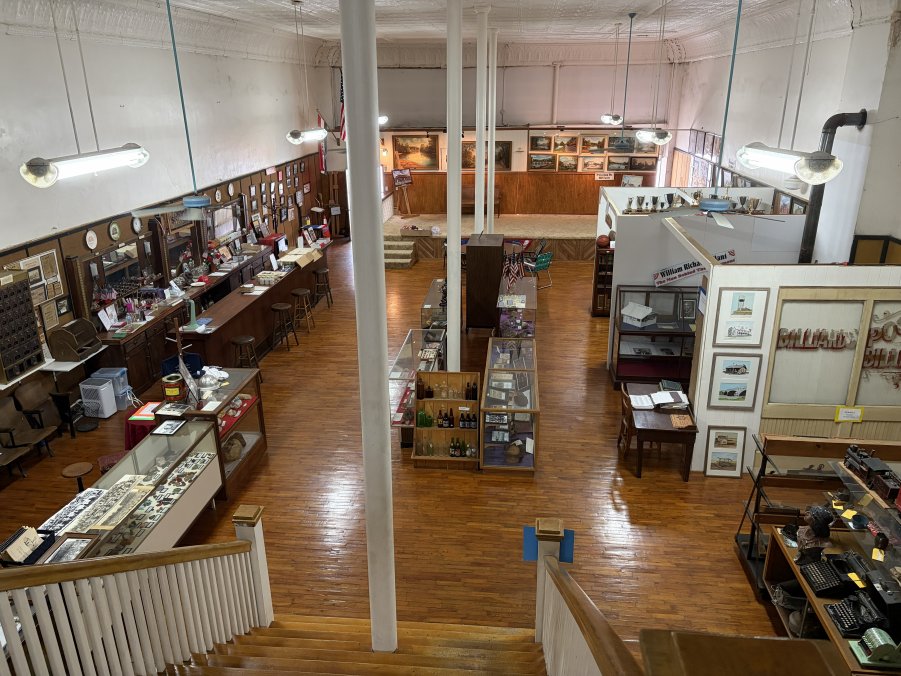
    The high ceiling of the museum interior reflects its prior use.  This view from the balcony shows part of the extensive exhibits covering mining and life in the town during mining days.

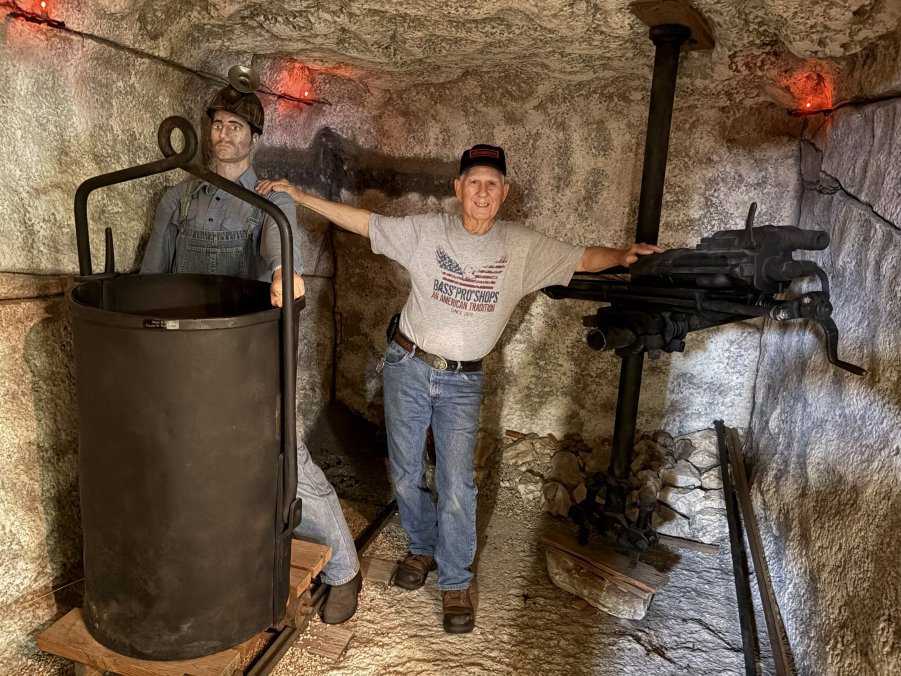
    When I arrived at the museum, it was closed.  The note on the door told me to call a local number for admission. In just a few minutes, my genial host, Steve McLees, showed up and guided me through the exhibits. He is shown posing at the mine display in the basement.  Steve developed a simulated blast for the exhibit, guaranteed to shock school kids.

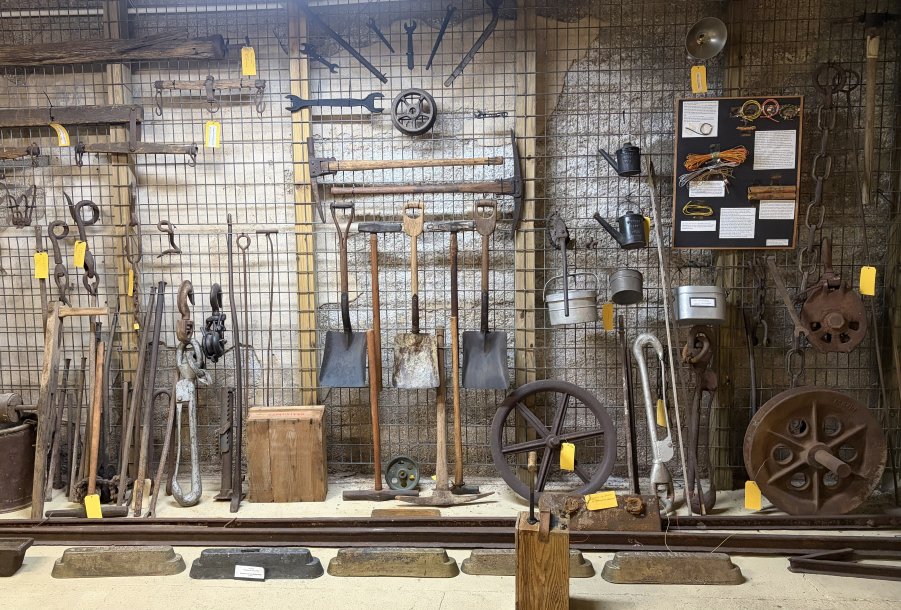
    This wall is covered with dozens of miners’ tools.

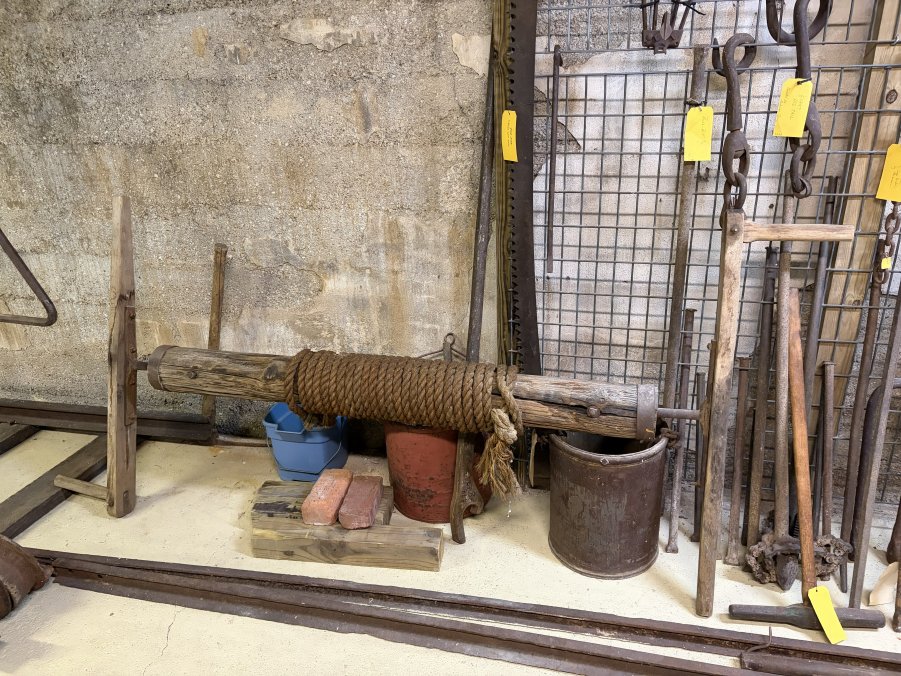
    This windlass was the type used at some of the small mines in the area.


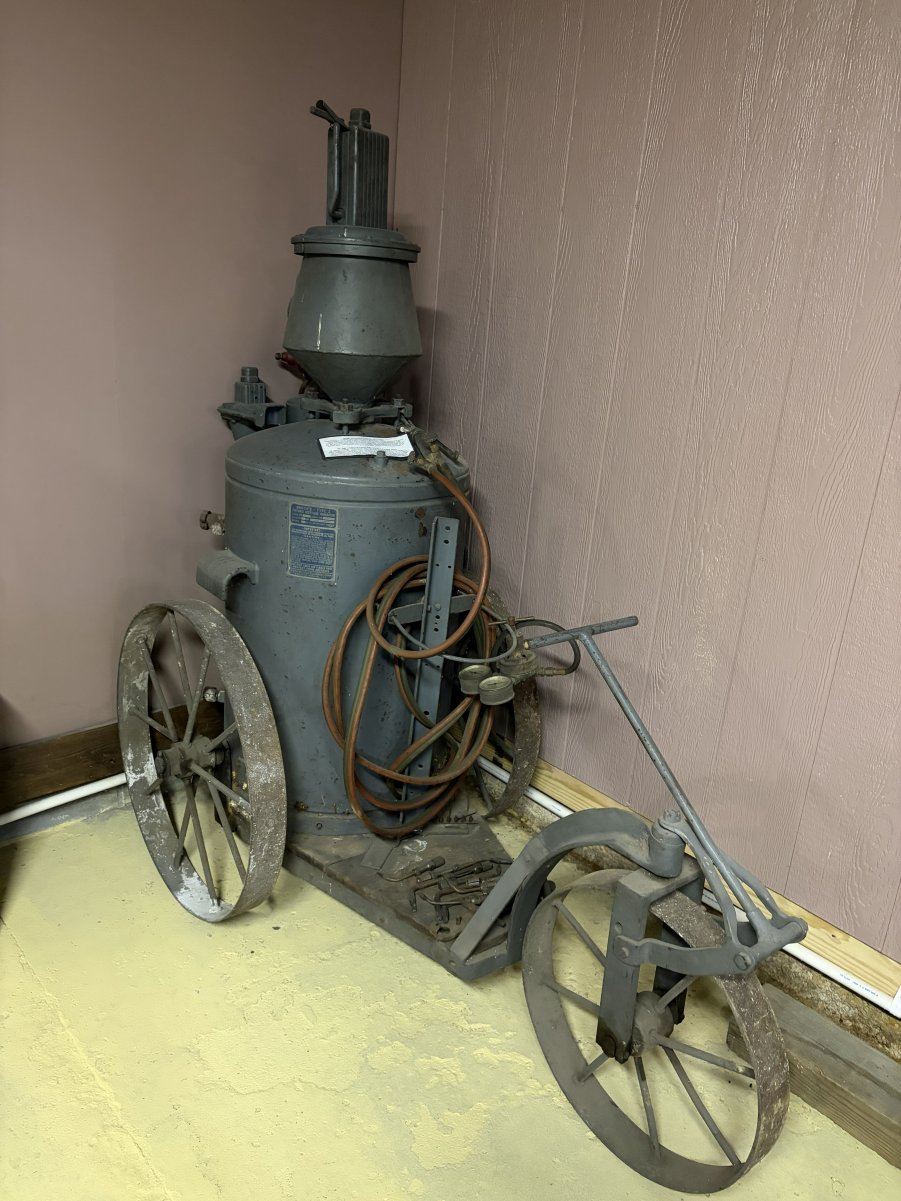
    (Left) An unusual and rare portable acetylene generator is one of those gems sometimes found in local museums.


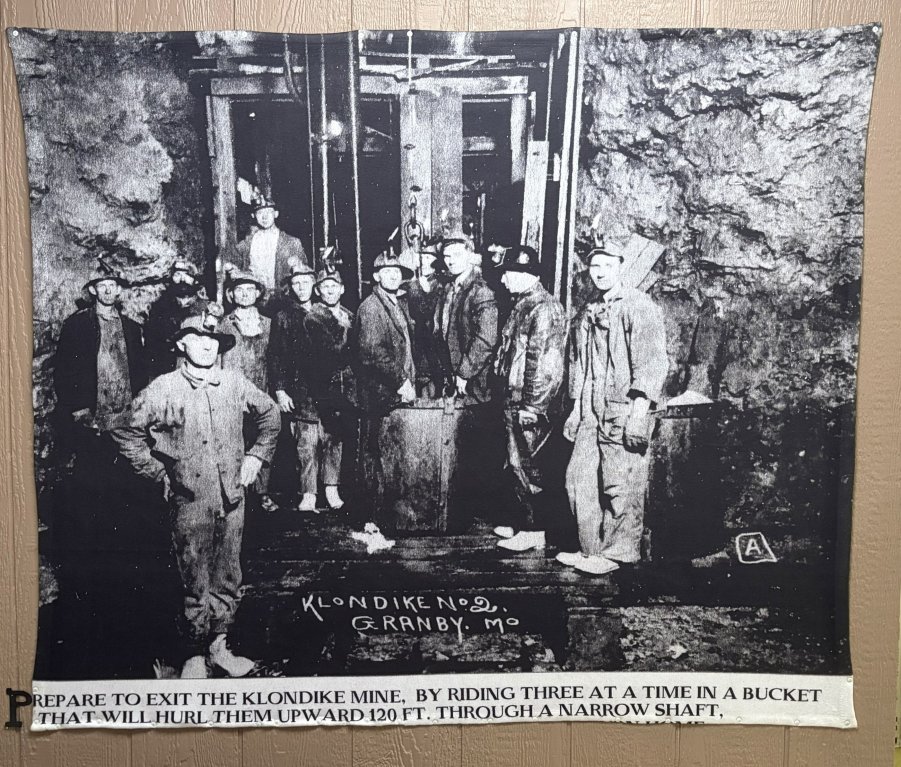
    (Above) The Klondike Mine was one of the most famous mines in Granby.

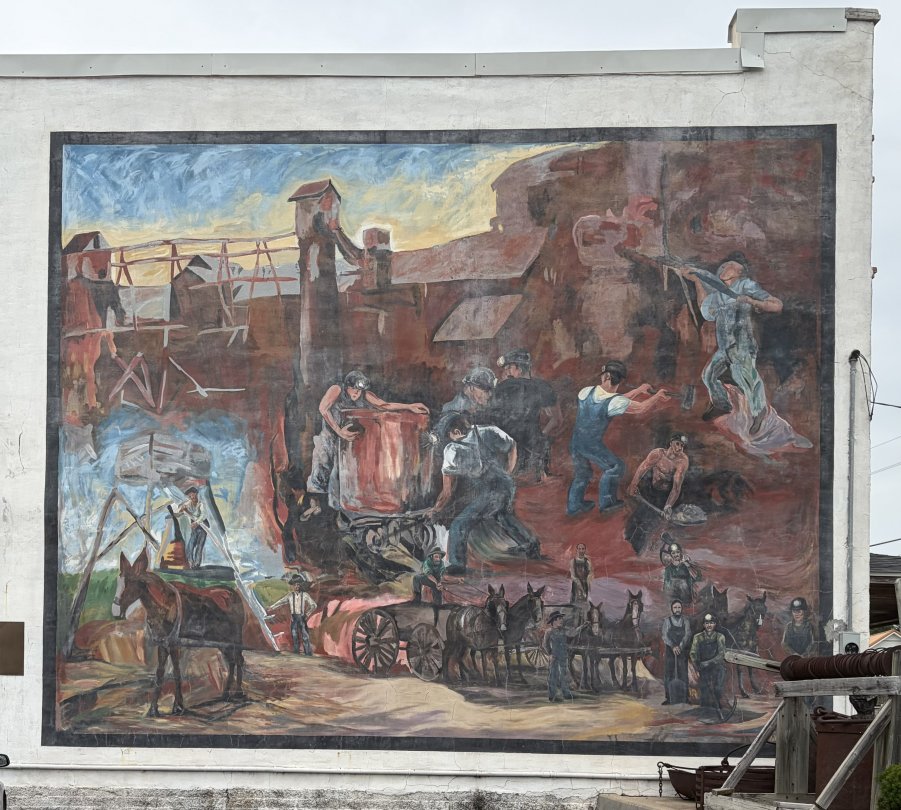
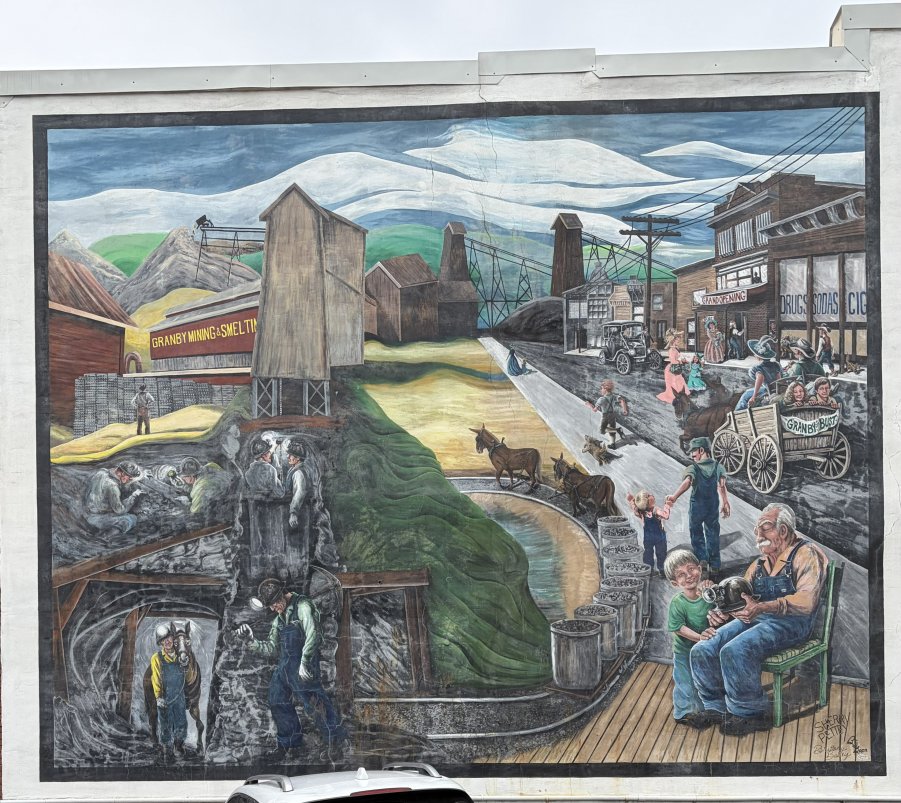
    (Above and Right) The exterior wall of the museum building has two of the most interesting of the many murals in the Tri-State towns.


    Photos courtesy of Mike Kaas.


    CLICK HERE FOR THE NEXT PHOTO GALLERY

    CLICK HERE TO RETURN TO THE CONFERENCE PAGE

    CLICK HERE TO RETURN TO THE FRONT PAGE


    All contents copyright 2011. This is a ZStudios website.