•  


    2026 Mining History Association


    On the Way to the MHA:

    The Missouri Portion of the Tri-State

    By Mike Kaas


    PHOTO GALLERY 3

    CLICK ON A PHOTO TO DISPLAY A LARGER IMAGE


    My last stop was Galena, Kansas.  Galena was a very rich mining area and separate from the much larger Picher Field to its southwest.  Galena was not visited on the MHA Tri-State Tour so I decided to take a look around.  Leaving Galena, it was on to Pittsburg and the MHA conference.


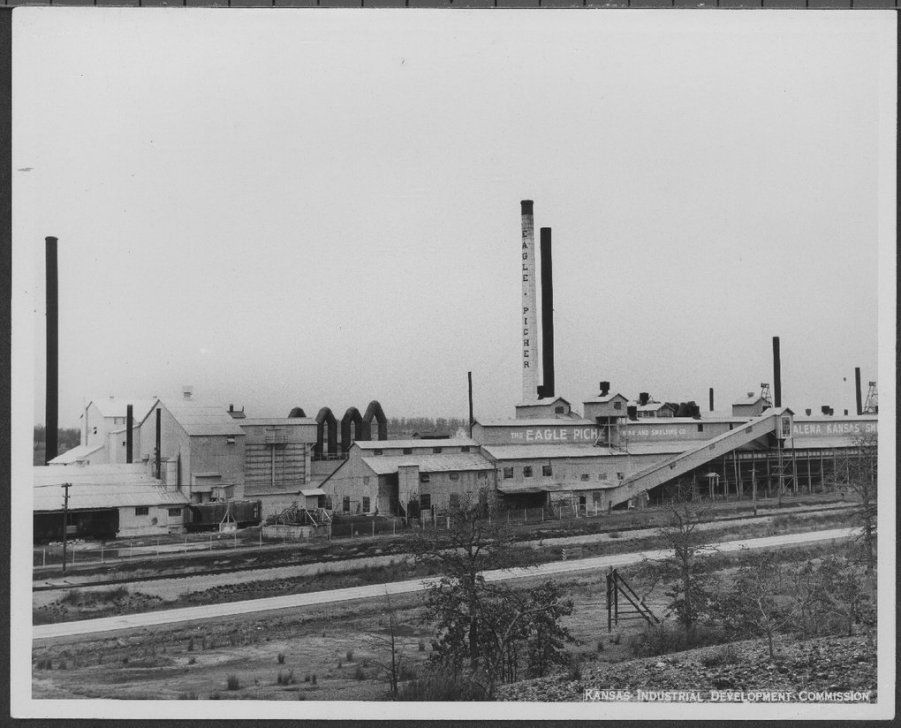
    (Above) This Eagle Picher Smelter was located along historic Route 66 just north of Galena, KS. It is shown in the upper right corner of the adjacent map.


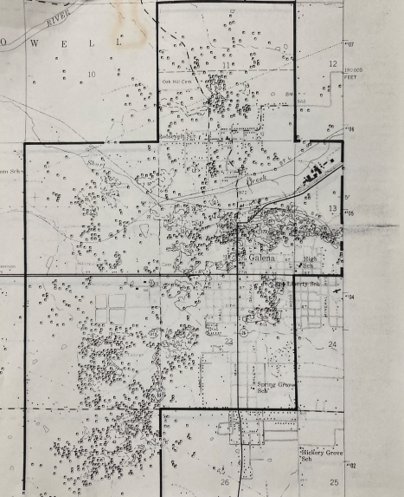
    (Right) Galena, KS in Cherokee County, was extensively mined with hundreds of prospect and production shafts. (USBM map)


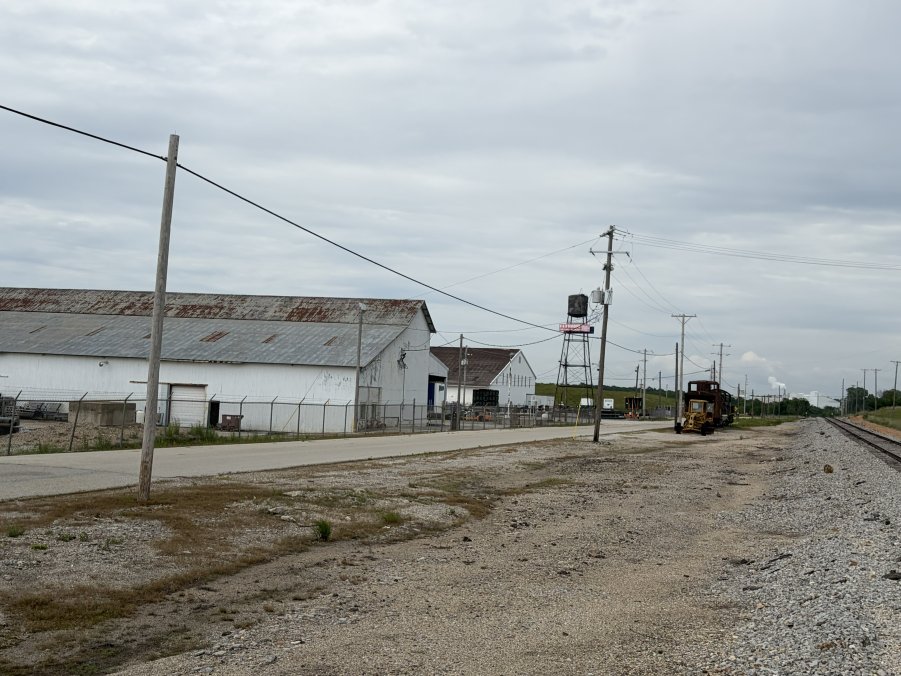
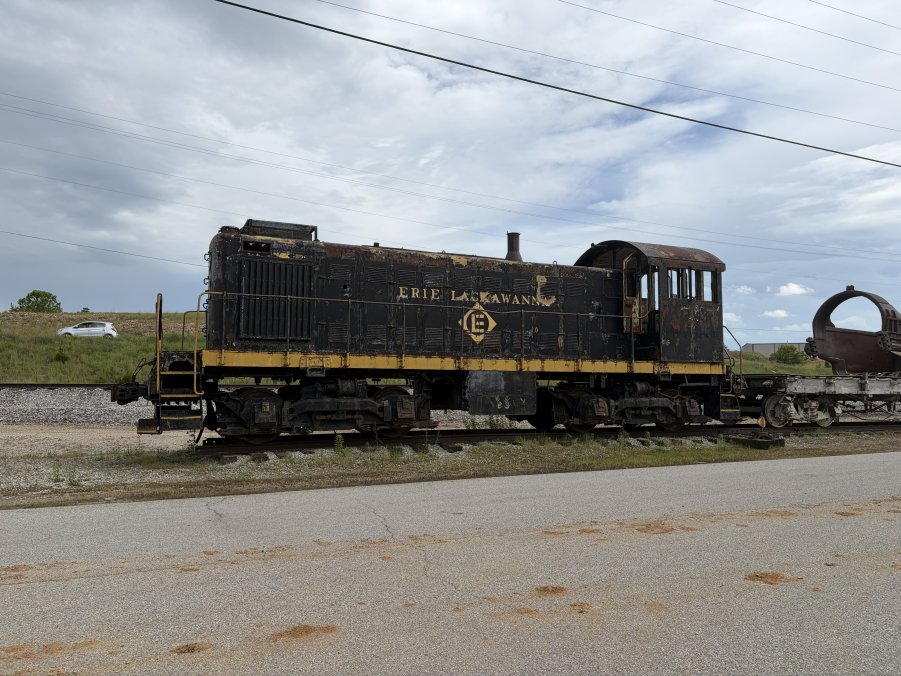
    The repurposed Eagle Picher Smelter site today.  CLICK HERE for the locomotive that looks like it should be in the Pennsylvania Anthracite District.


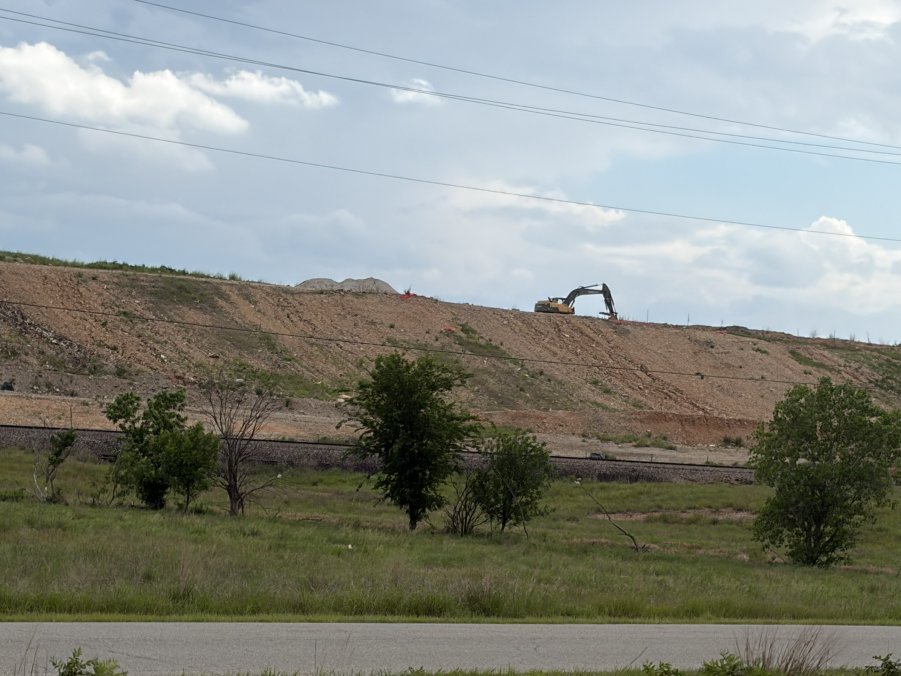
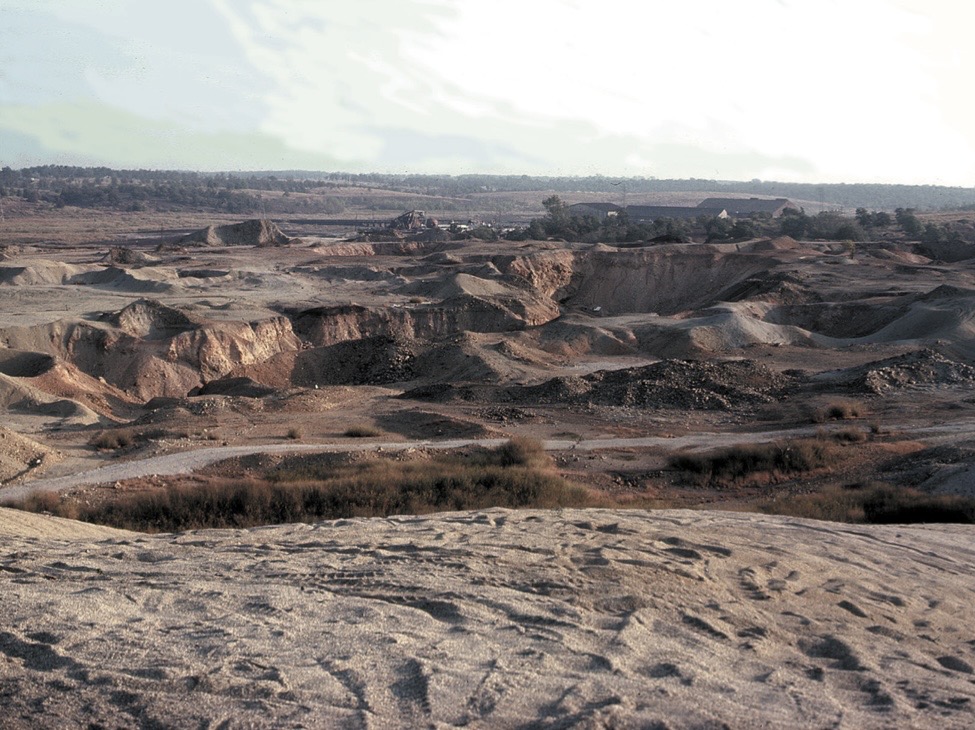
    In the upper right corner of the map, below the smelter, is an intensively mined near surface area that caused extensive subsidence hazards in Galena.  The area was called “Hells Half Acre.” It has been reclaimed as a landfill.


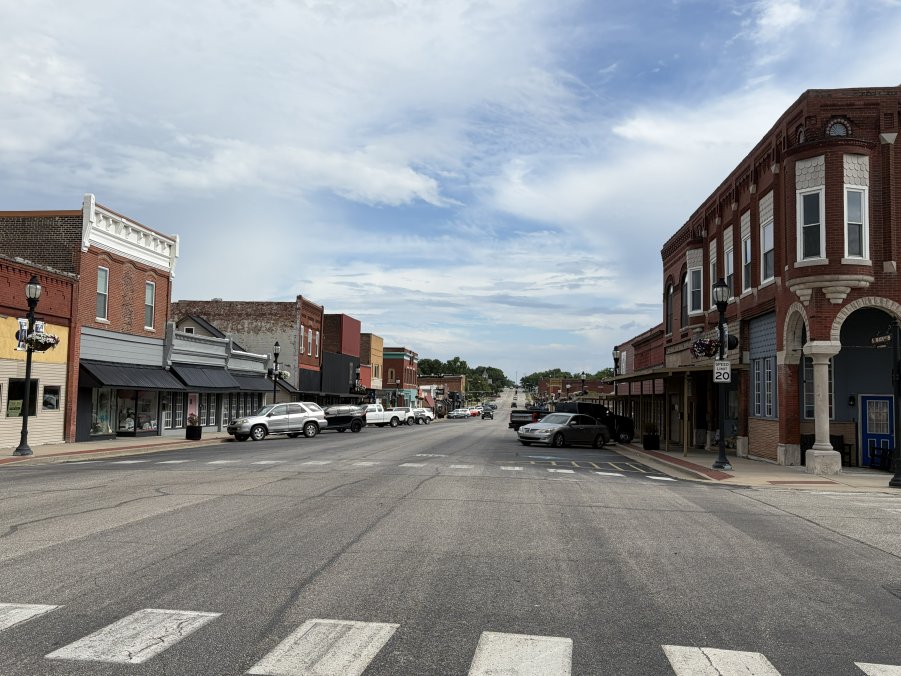
    The Main Street of Galena contains many historic buildings from the mining boom.


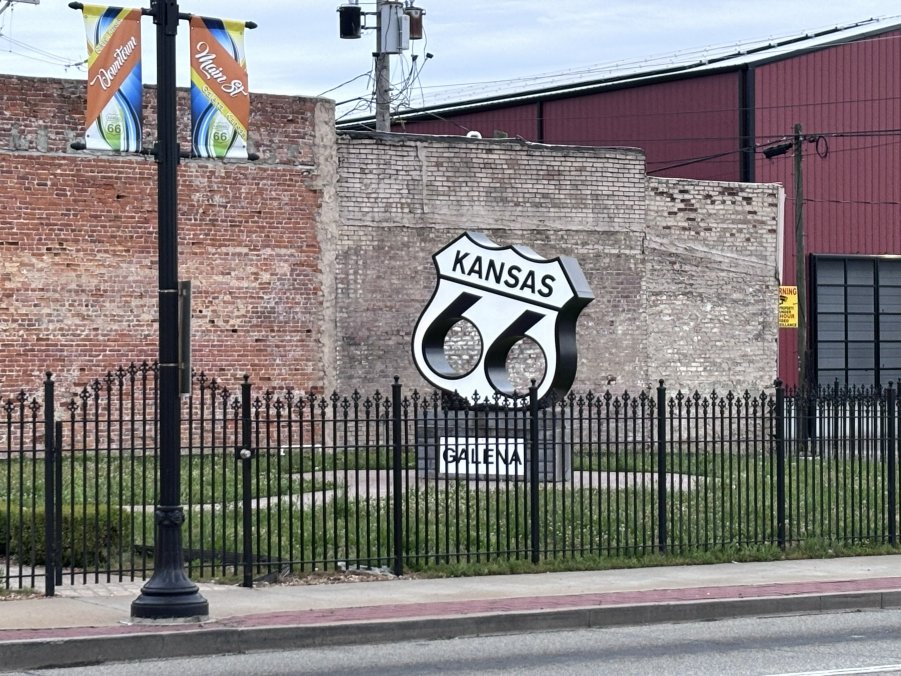
    Today, Galena is an important stop for tourists following historic Route 66.


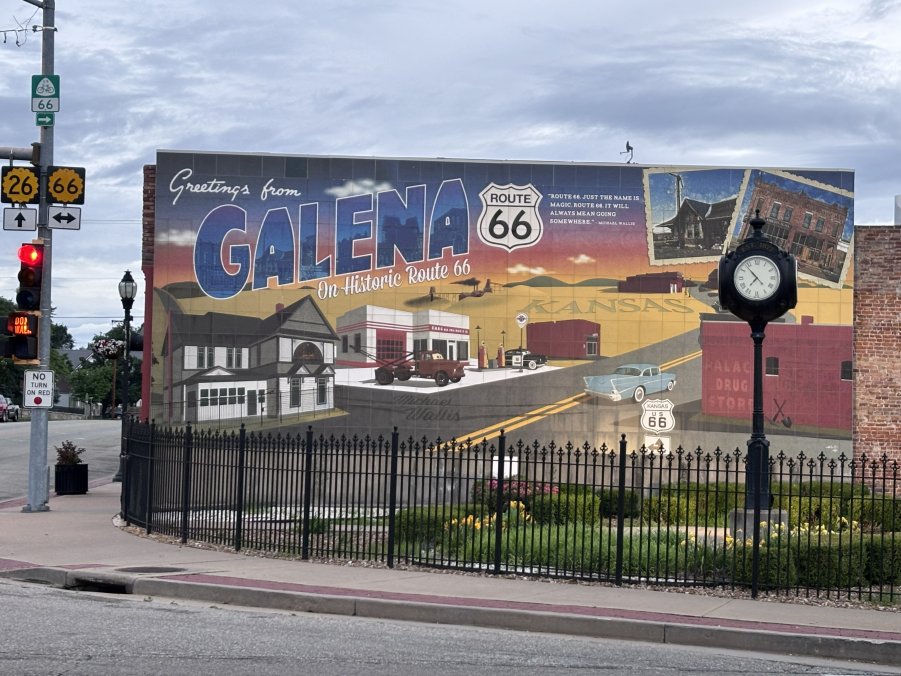
    Galena’s mural reflects the transformation from a mining town to a tourist destination.


    Hazardous subsidence resulted from the extensive shallow mine workings and 377 abandoned shafts in and around Galena. 


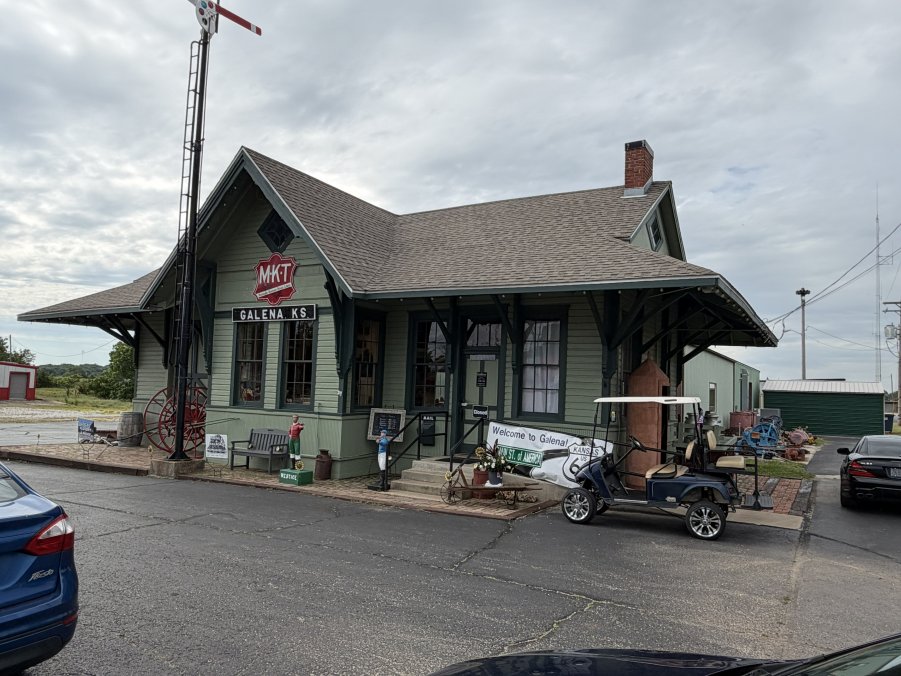
    The Galena Museum portrays the town’s mining and railroad history. Unfortunately, it was closed when I arrived.


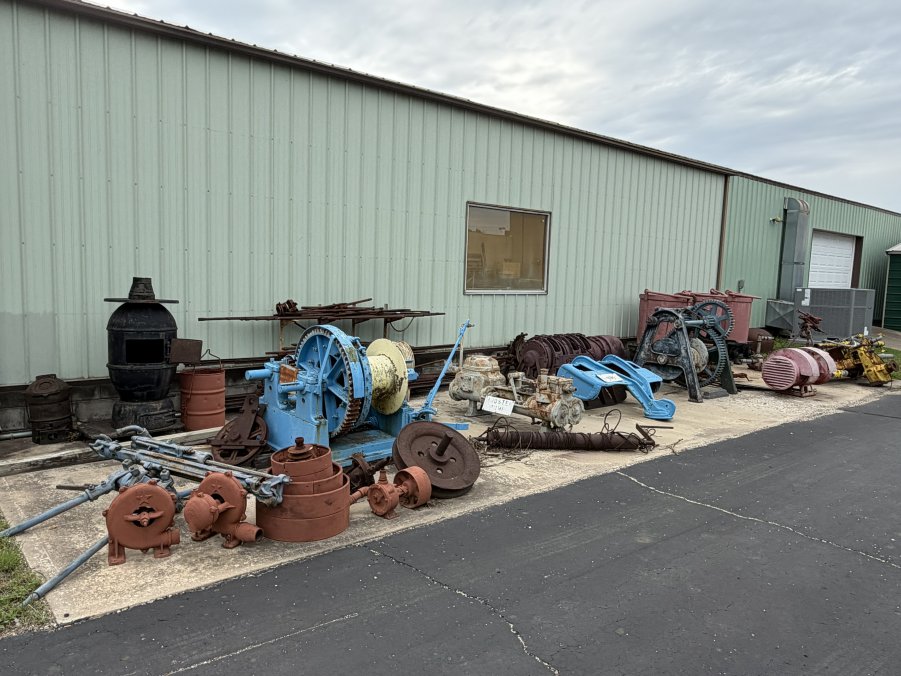
    The museum’s boneyard has many objects destined for future exhibits.

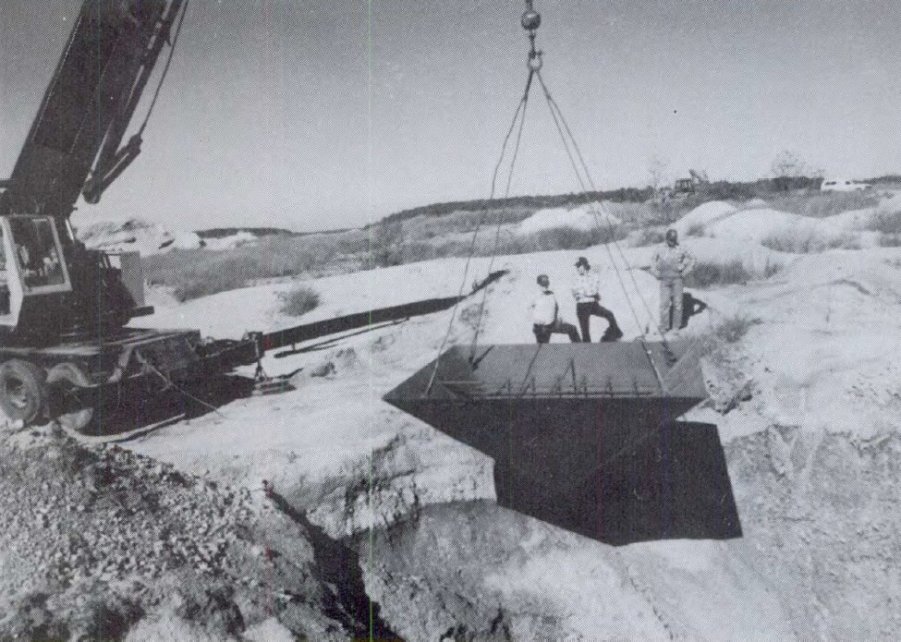
    A view of the US Bureau of Mines (USBM) installing an experimental inverted  pyramid-shaped cap for an abandoned shaft in the northwest corner of Galena, KS. While effective, it proved too costly for so many shafts.


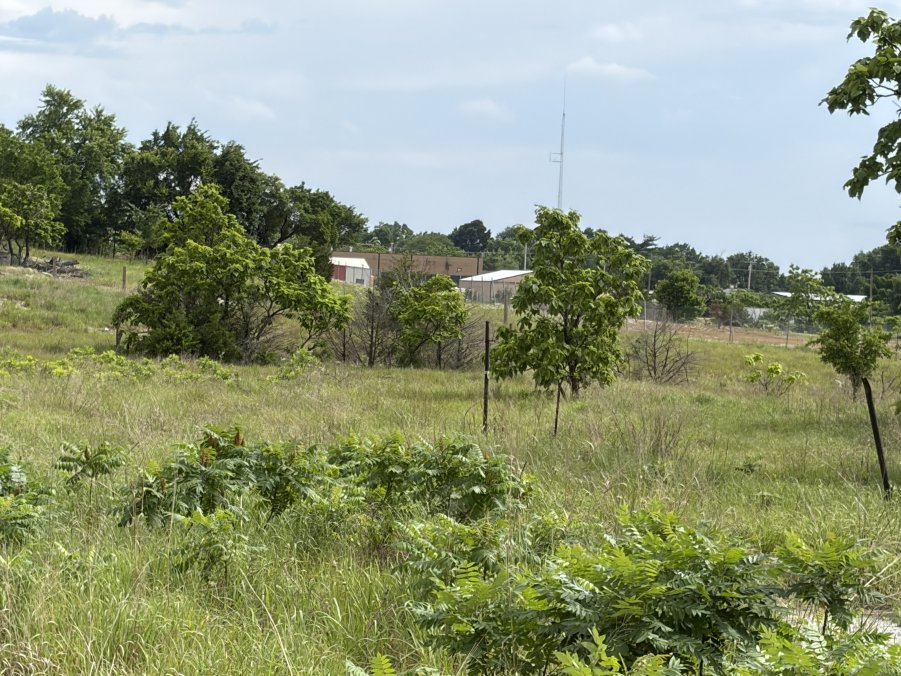
    The USBM site today shows that the caps are holding up well.  The metal stakes mark the locations of the capped shafts.


    Photos courtesy of Mike Kaas.


    CLICK HERE TO RETURN TO THE CONFERENCE PAGE

    CLICK HERE TO RETURN TO THE FRONT PAGE


    All contents copyright 2011. This is a ZStudios website.