•  


    2026 Mining History Association


    On the Way to the MHA:

    The Missouri Portion of the Tri-State

    By Mike Kaas


    PHOTO GALLERY 1

    CLICK ON A PHOTO TO DISPLAY A LARGER IMAGE


    When the program for the Mining History Association conference in Pittsburg, Kansas was being developed, it became obvious that it would be impossible to cover everything in the Tri-State Lead and Zinc Mining District of Missouri, Kansas, and Oklahoma plus the Coal Mining District near Pittsburg which had several large smelters for the Tri-State ores. Something had to give and that was the Missouri mines and mills. So, I decided to follow the “Do-It-Yourself (DIY) Tour Route” I had prepared during the early planning stage of the conference and posted on the website.


    I first visited the Tri-State District in 1989 while managing the US Bureau of Mines Environmental Research Program.  This was during the early days of the EPA Superfund program and its cleanup activities in the district which are still ongoing.  The Bureau had a long history of applied research projects focused on improving the safety and efficiency of mining and milling practices and extending the life of the district which produced critical lead and zinc for two World Wars.  I was accompanied by staff members from the USBM Research Center in Rolla, MO. (The USBM was abolished in 1996.)


    Background on the Tri-State. 


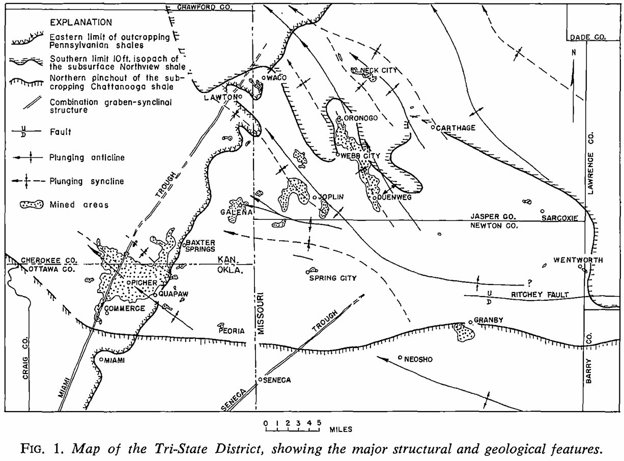
    Mining started in the vicinity of Joplin, MO, along a mineralized belt extending from Oronogo, MO, through Webb City and Carterville, to Duenweg, MO, as well as in Joplin itself.  All these areas are in Jasper. County.  A second early mining area was in the vicinity of Granby, MO, in Newton and Lawrence, Counties.  Mining in the Kansas portion of the Tri-State started in the vicinity of Galena, KS, in Cherokee County, west of Joplin.  These areas were not visited on the conference field trip.


    Tri-State production peaked around 1925 but during both World Wars the District was an essential source of lead and zinc.  Nearly all mining had stopped by 1974 due to declining ore grades, depletion of ore, and depressed metal prices.   As mining ceased and pumping stopped, the mines flooded.  Shallow mine workings and hundreds of mine shafts collapsed.  Gigantic mounds of chat (solid mining and processing waste) dotted the landscape.  Acid mine drainage from metals leaching out of mine workings and the solid wastes and pollution of local aquifers became major problems.  These problems caused the district to be declared a mega-Superfund site, encompassing several sites: The Oronogo-Duenweg Mineral Belt [Missouri] Site, AKA the Joplin Field; The Cherokee County, Kansas Site, AKA the Galena Field; and The Newton County, Missouri Mine Tailings Site near Granby.  The large Picher Field in Oklahoma combined with the other sites was called the Tar-Creek Superfund Site.


    Initially, two EPA Regional Offices shared jurisdiction, Region 6 in Tulsa covered the Oklahoma portions and Region 7 in St. Louis covered the Missouri and Kansas portions.  It took quite a while for the two Regions to adopt a unified approach to solving environmental problems. EPA’s cleanup efforts are still underway after more than 30 years.  I was anxious to see what progress had been made.


    (From Brockie, Douglas C., Hare, Jr., Edward H., Dingess, Paul R., “Ore Deposits of the United States, 1933-1968,” Chapter 20, American Institute of Mining, Metallurgical, and Petroleum Engineers (AIME), 1968, New York, New York.)


    My route of travel started in Carthage, Missouri, at the north east end of the Tri-State.  It then followed the backbone of the Joplin Field from Oronogo, through Webb City, to Granby, with a final swing through Galena, Kansas.  In many spots the highways followed remaining portions of the Mother Road, historic Route 66.


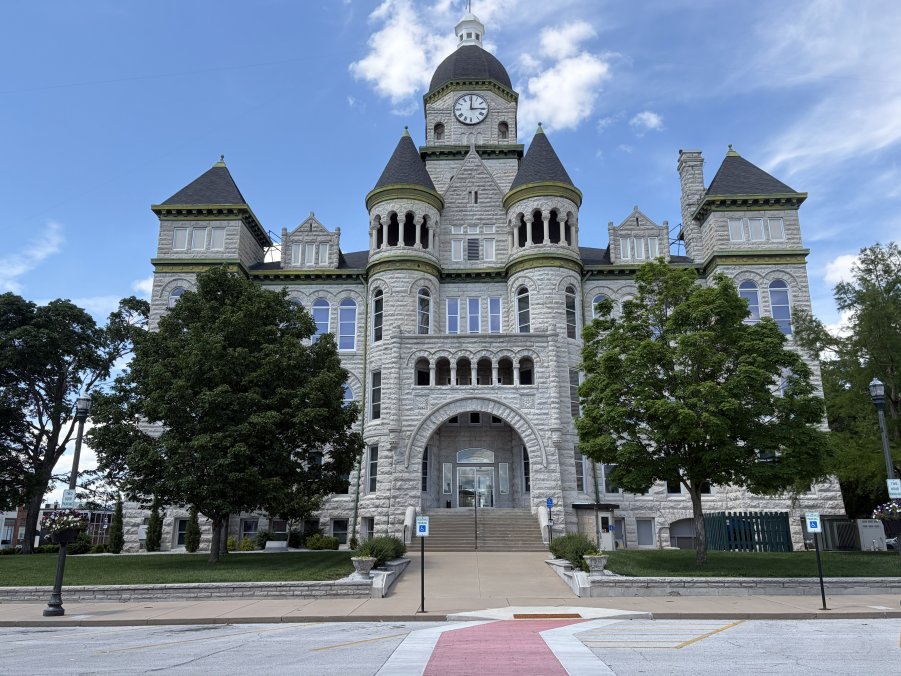
    In Carthage, Missouri, the Jasper County Courthouse is constructed with locally quarried limestone. The city’s many historic homes reflect the riches from the nearby Tri-State mines.


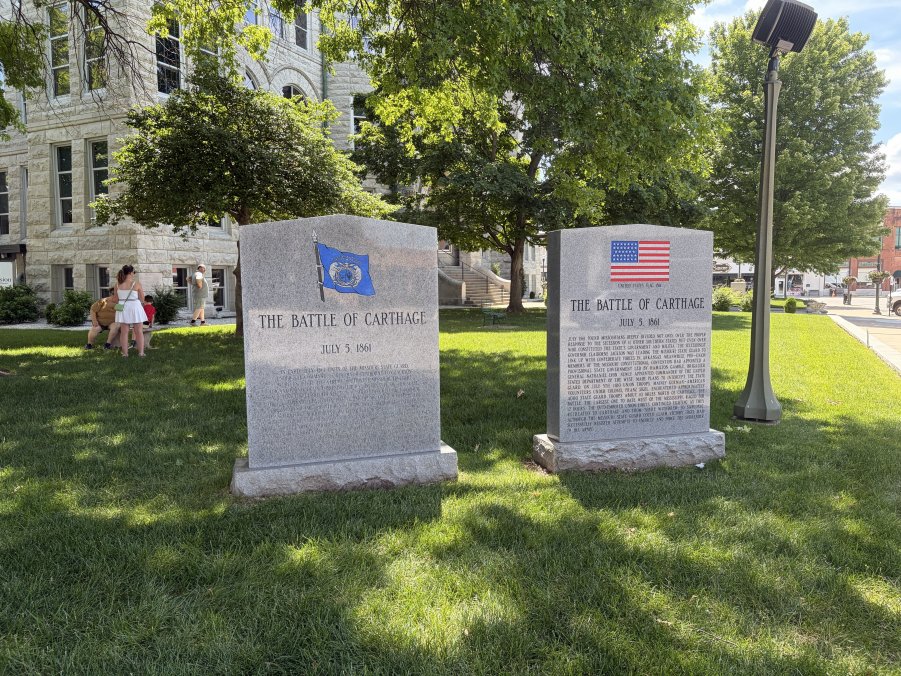
    Monuments on the courthouse grounds commemorate the July 3, 1861, Civil War, Battle of Carthage. The city still has a connection to mining through its Dyno Nobel explosives plant.


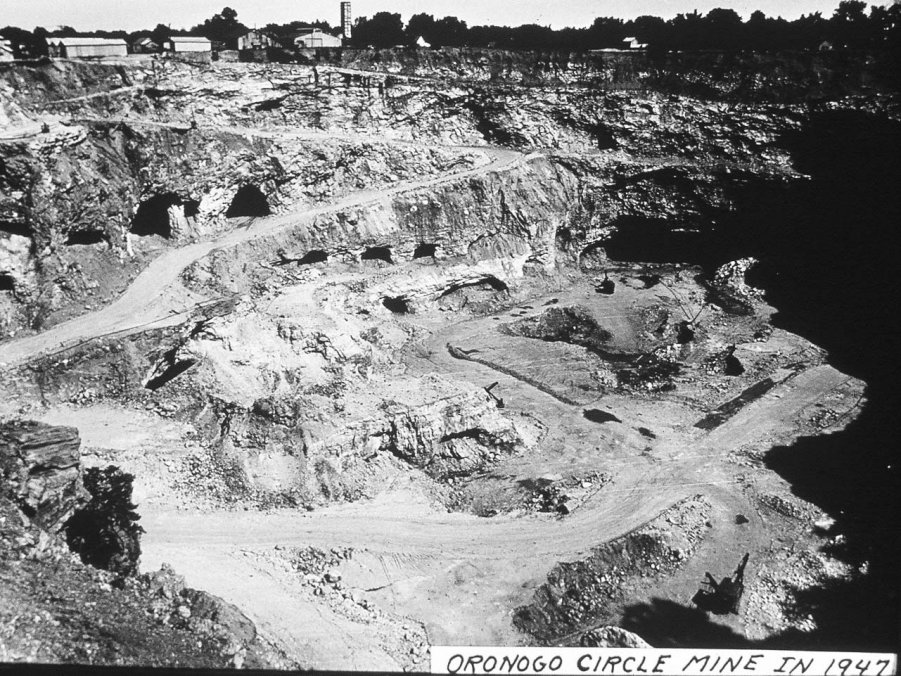
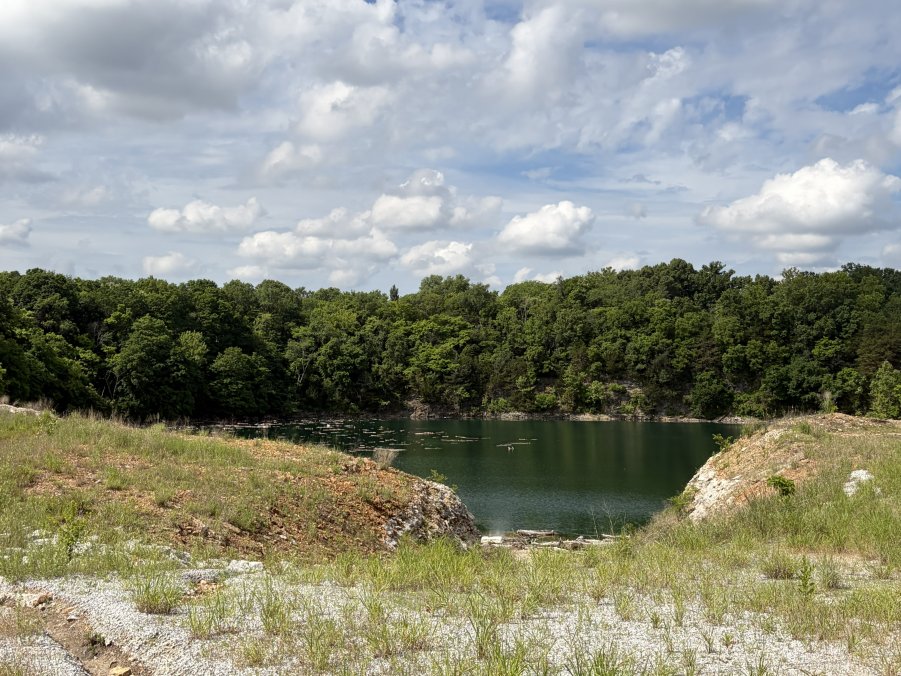
    Oronogo, MO.  The Oronogo Circle Mine, was one of the few open pits in the Tri-State.  A thick concentration of ore at this location made surface mining practical. Room and pillar workings can be seen in the pit walls.

    The Oronogo Circle Pit is now full of water.

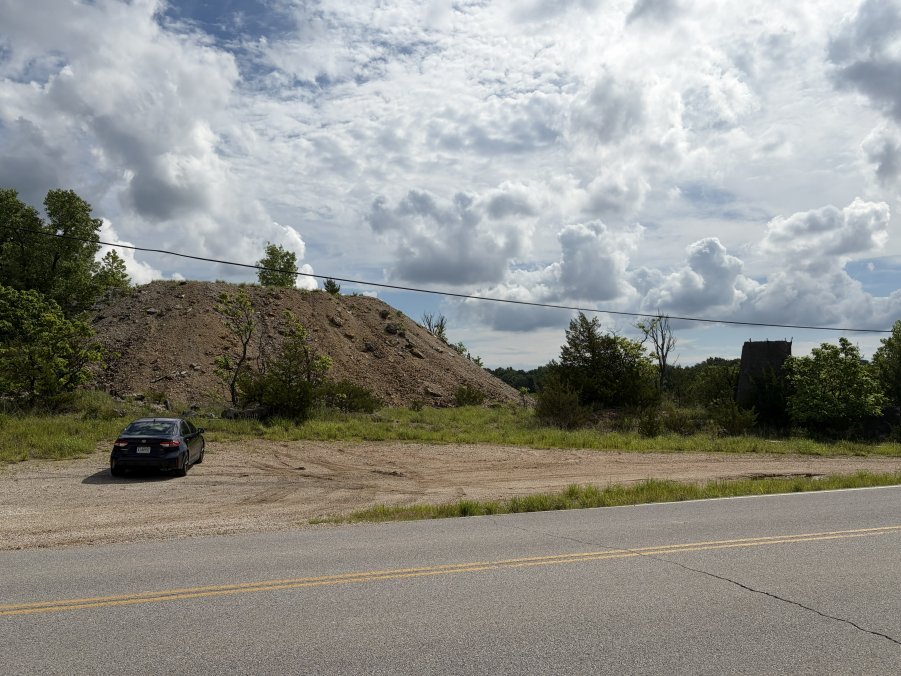
    Waste rock piles and foundations dot the landscape near the Oronogo Circle Mine site.


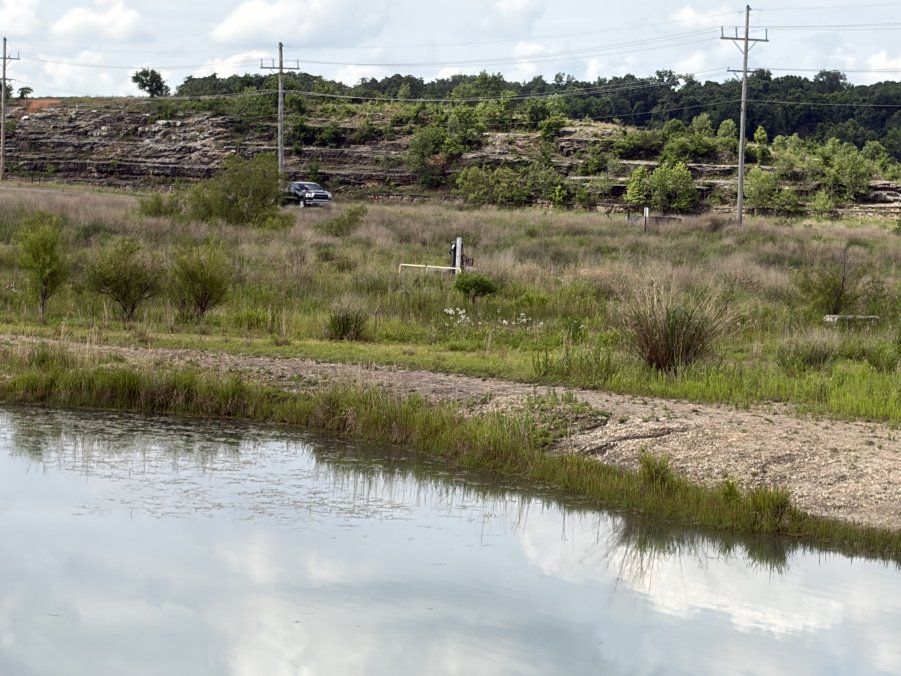
    Heading south from Oronogo to Webb City the extensive mined land has been reclaimed. Shallow mine workings in the sheet ground have collapsed to form a wetland area.


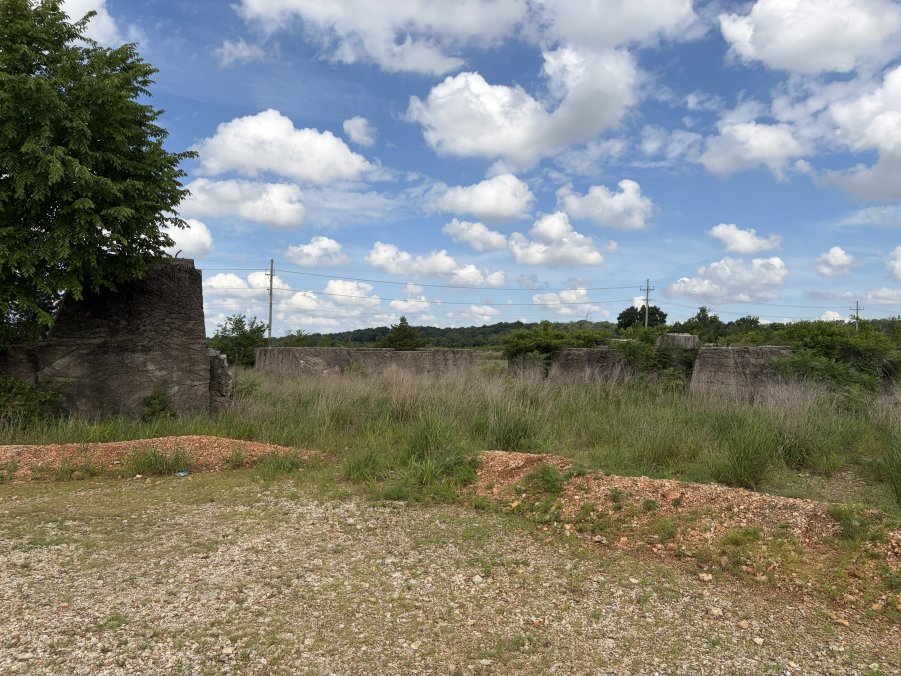
    More foundations of mine and mill buildings can be seen throughout the area.


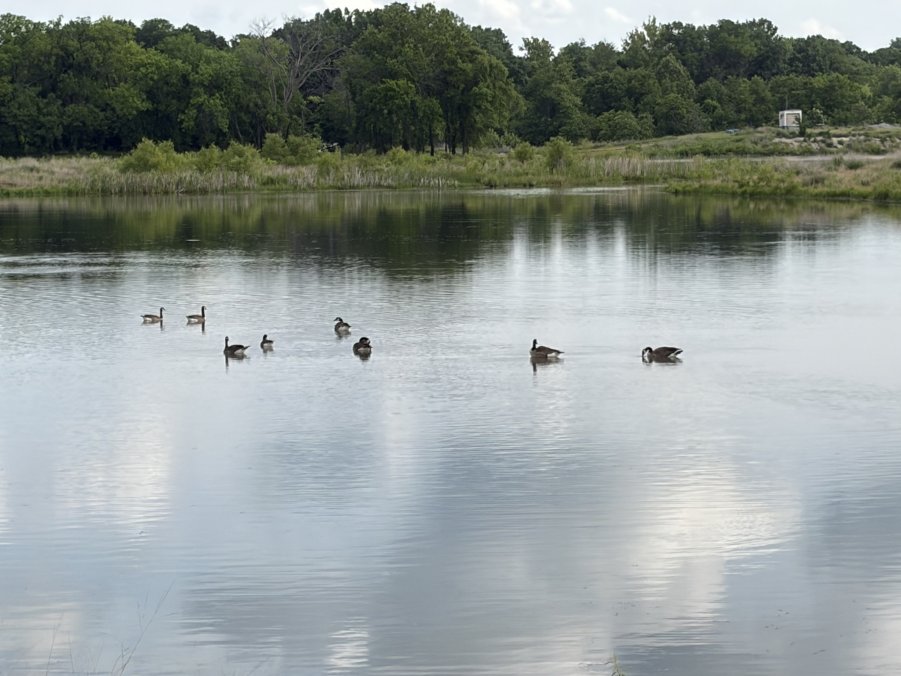
    Lakes in the reclaimed area make excellent wildlife habitat and support recreational fishing.

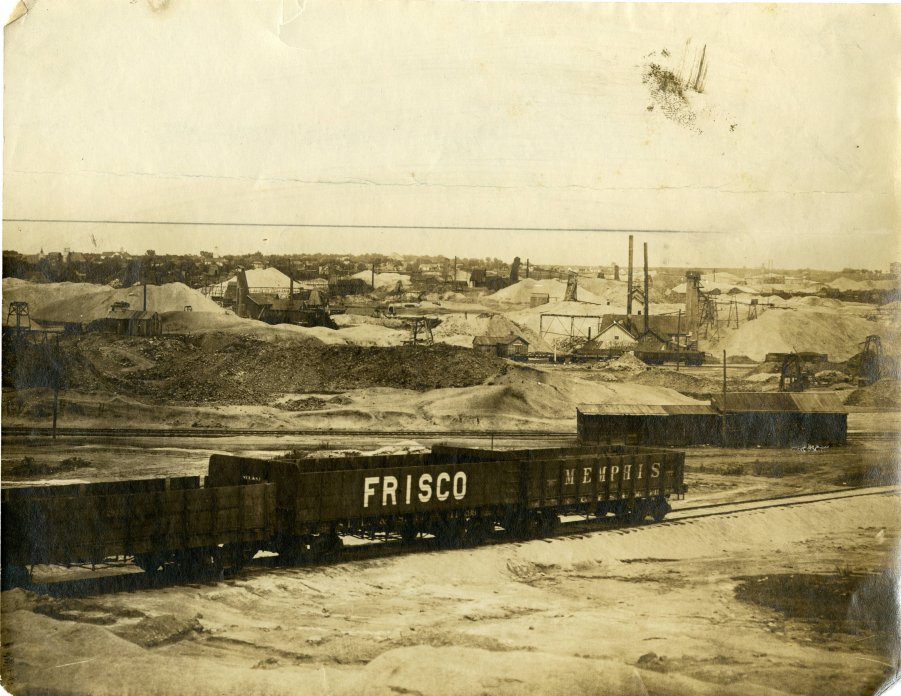
    Historic mining in sheet ground deposits in the Webb City, MO area.


    Historic mining in sheet ground deposits in the Webb City, MO area.

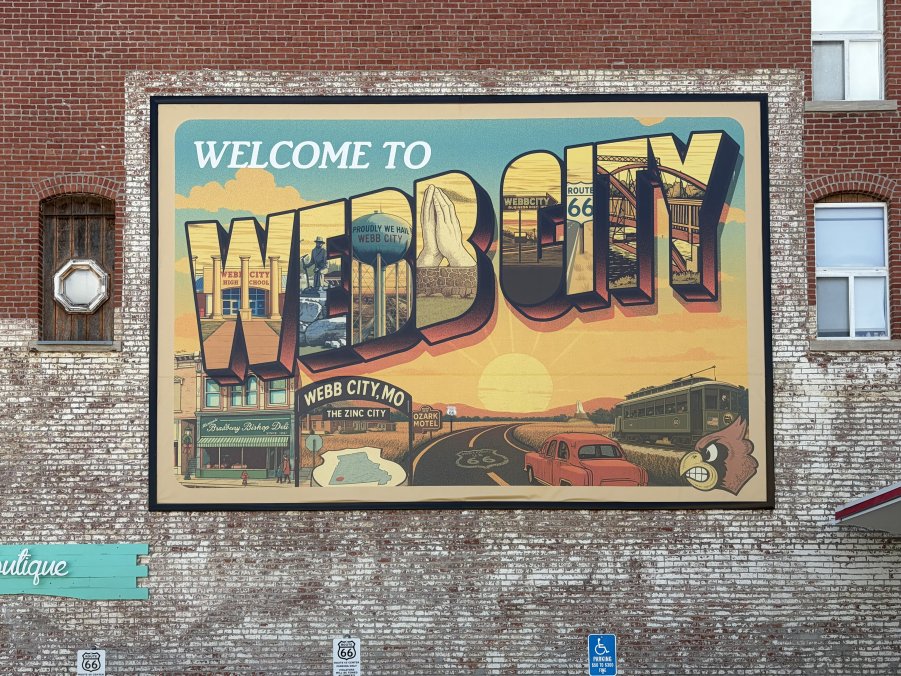
    Webb City’s Mural is one of many to be seen throughout the Tri-State.


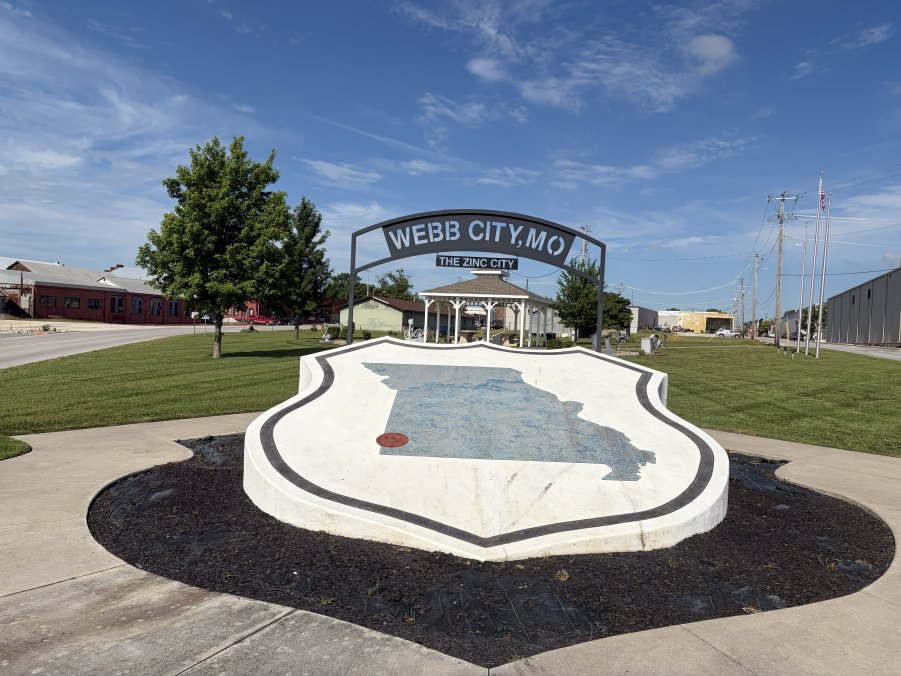
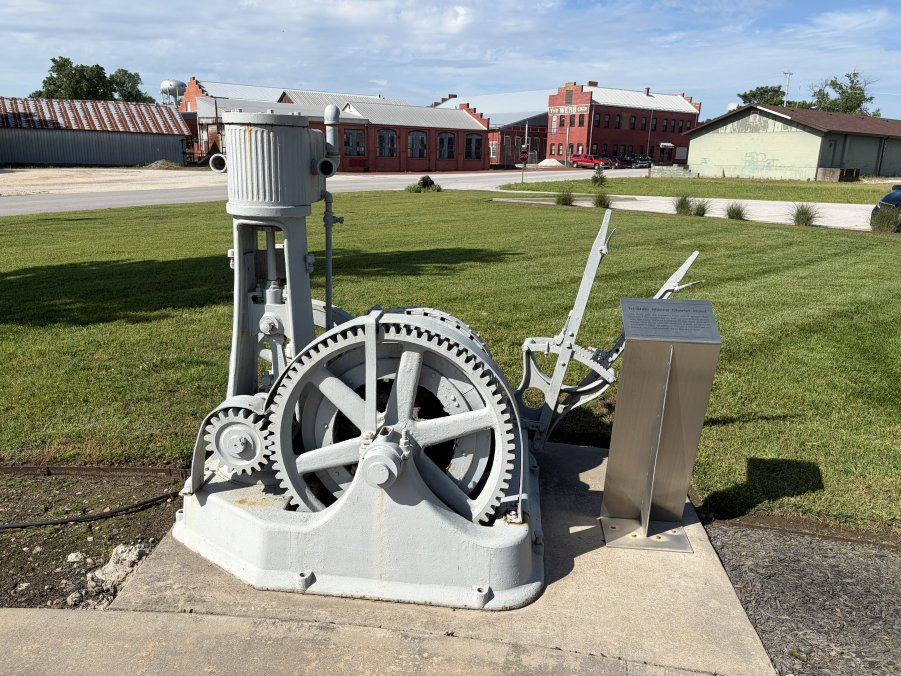
    A mine pump and other pieces of mining equipment are on display in the Gateway Park.


    Photos courtesy of Mike Kaas.


    CLICK HERE FOR THE NEXT PHOTO GALLERY

    CLICK HERE TO RETURN TO THE CONFERENCE PAGE

    CLICK HERE TO RETURN TO THE FRONT PAGE


    All contents copyright 2011. This is a ZStudios website.